Taking Control of Low Back Pain: helping you get back in action.
Why does your back pain keep coming back?
 Teddy ZabelDPT · OCS · Founder
Low back pain is one of the most common — and most misunderstood — conditions in the world.
Maybe it is the ache that appears after a long day. Maybe it is the sharp pain when you bend over to tie your shoes. Maybe it is the burning nerve pain that shoots down your leg.
Many people bounce between providers, YouTube videos, injections, medications, stretches, and exercises hoping for relief.
The problem? Hope is not a treatment plan.
Recovery begins when you stop asking, “How do I make this pain go away?” and start asking, “Why does this hurt in the first place?” Once you understand the answer to that question, everything changes.
My own back pain story.
Even as a Doctor of Physical Therapy and Orthopedic Clinical Specialist, I felt overwhelmed when I suffered a lumbar disc herniation.
I understood the anatomy. I understood the biomechanics. I knew how to build a recovery plan.
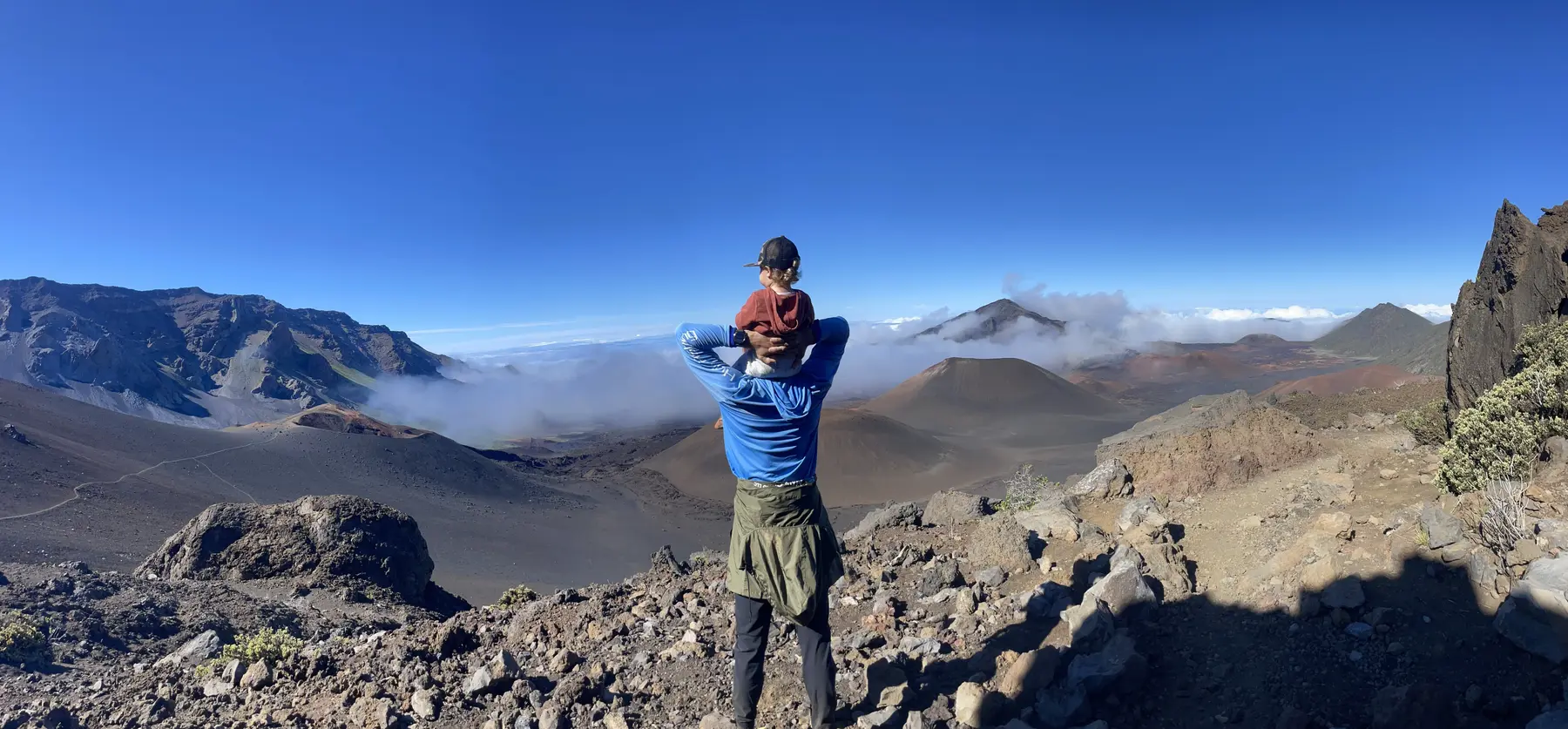
And yet there were days when I wondered if I would ever run, lift, paddle, surf, or pick up my kids again. There were moments when I was not thinking like a physical therapist — I was thinking like a person in pain. I considered surgery. I searched high and low for answers.
I experienced firsthand how frustrating and isolating back pain can be.
Fortunately, through education, movement modification, patience, and consistent rehabilitation, I was able to avoid surgery and return to an active, pain-free lifestyle. That experience changed the way I approach back pain forever.
The biggest problem in back pain treatment.
Too many people receive one of two messages: “Your MRI explains everything,” or “Your MRI does not matter at all.”
The truth lies somewhere in the middle. Imaging can provide useful information, but an MRI alone does not tell the entire story. We have never seen an MRI cure someone’s pain.
Images must be combined with:
- Movement assessment
- Functional testing
- Pain triggers
- Activity demands
- Clinical examination
Without that information, treatment becomes guesswork.
We believe an MRI is a great way to confirm that our working diagnosis is correct — that we have our sights pointed in the right direction. An MRI can show us where tissue failed. It rarely tells us why it failed.
If we do not correct the problems that preceded the tissue damage, re-injury — or injury to another level of your spine — becomes much more likely.
Common myths about low back pain.
Myth #1: “I just need an MRI.”
Imaging can be helpful. But many people without any pain have disc bulges, arthritis, and other findings on MRI.
The question is not simply “What does the MRI show?” The question is “Which findings actually match your symptoms?”
Myth #2: “I have degenerative disc disease.”
This diagnosis sounds scary, and it is where most people disengage — they have been told they have a “disease.”
I have treated people in their 20s with terrible-looking MRIs and very little pain. I have treated people with pristine MRIs who could barely get out of bed.
MRIs matter, but they are only one piece of the puzzle. Just like wrinkles appear on our skin, spinal structures change over time. The presence of degeneration does not automatically mean pain. Most people with “degenerative disc disease” have other issues causing their pain.
Myth #3: “I need a stronger core.”
Not exactly. Many people with back pain do not need more strength — they need better stability and endurance.
A healthy spine requires balanced muscular support, not constant bracing or maximal contraction. In fact, excessive bracing can sometimes increase spinal compression and worsen symptoms.
Myth #4: “Surgery is my only option.”
Sometimes surgery is appropriate. But many individuals recover successfully without it. Research consistently shows that many patients achieve similar long-term outcomes whether they undergo surgery or conservative treatment.
The key is identifying the right treatment for the right person. If you are a surgical candidate, we will not hesitate to tell you. If you are not, we will do everything in our power to help you avoid it.
Why back pain persists.
Pain often continues because irritated tissues never get a chance to calm down.
Imagine hitting your thumb with a hammer. Would you expect it to heal if you continued hitting it every day? Of course not. Yet many people unknowingly repeat movements and positions that continually irritate their spine and nervous system.
Our goal is to identify those triggers and eliminate them so healing can occur.
If you can find a pain-free position, you can find a pain-free movement. If you can find a pain-free movement, you can find a pain-free day. If you can find a pain-free day, you can build a pain-free life.
The five stages of recovery.
1. Understand your pain
Learn basic spine anatomy, why pain occurs, how nerves become irritated, and what your diagnosis actually means. Education reduces fear, increases confidence, and puts you in control.
2. Identify pain triggers
Every back pain presentation has patterns. We look for painful positions, painful movements, aggravating activities, and relieving positions.
The goal is simple: identify what is causing your pain, remove the triggers, and build pain-free movement tolerance. Back pain is not random — every painful movement leaves clues. If we do not identify your triggers, we are back to hoping our treatments work.
3. Calm the system down
Before building strength, we must reduce irritation. That may include activity modification, position changes, spine hygiene, walking, and movement strategies. Pain reduction is often the first step toward progress.
4. Rebuild capacity
Once symptoms improve, we begin restoring stability, endurance, mobility, strength, and movement confidence. Exercise should create the greatest benefit with the lowest risk.
The goal is not simply getting stronger. The goal is a resilient, capable spine — one that can tolerate the demands of your life, your work, and the activities you love.
5. Prevent future episodes
The strongest predictor of future back pain is a previous episode of back pain. That is why prevention matters. We help clients improve movement habits, build exercise routines, increase tissue tolerance, and reduce recurring flare-ups.
Ten practical steps to get back in action.
Most people do not need ten different treatments. They need a clear roadmap and appropriate, timely rehab progressions. Here is where we start:
- Get an accurate diagnosis.
- Identify and eliminate pain triggers.
- Find your position of relief.
- Build trunk endurance and stability.
- Learn pain-free movement patterns.
- Improve your workstation, vehicle setup, and sleep positions.
- Walk daily.
- Improve hip and thoracic mobility.
- Learn to squat, hinge, and lunge properly.
- Perform 90–120 minutes of low-intensity cardiovascular exercise each week.
Education creates freedom.
We do not want you to be dependent on physical therapy. Our goal is to teach you enough about your body that you eventually do not need us.
When you understand what causes your pain, what triggers your symptoms, which movements help, and which movements irritate tissues, you gain control over your recovery. Back pain becomes a problem to solve — not a life sentence.
Final thoughts.
Back pain is rarely random. It has patterns. It has triggers. It has solutions. The key is finding the right strategy for your specific presentation.
At Island Physical Therapy, we create individualized plans based on your unique movement patterns, goals, and injury mechanisms — not generic exercise sheets or cookie-cutter programs.
Back pain may be part of your story. It does not have to be the ending.
If you or someone you love is struggling with low back pain, we are here to help. We will help you move beyond fear and beyond guesswork. We will get you back in action.
This article is general education, not medical advice or a diagnosis. Back pain with fever, unexplained weight loss, loss of bowel or bladder control, or progressive weakness in a leg needs prompt medical attention — not a blog post.
Teddy Zabel, DPT, OCS
Founder of Island PT in Kīhei, Maui. Doctor of Physical Therapy and Board-Certified Orthopaedic Clinical Specialist with more than ten years of practice, from people managing chronic back pain at home to Olympic athletes and world-champion watermen.
Let’s find out what is actually driving it.
We come to you, anywhere from Kīhei to Upcountry. The discovery call is free, and if we are not the right fit we will tell you that honestly.