Paddling Shoulder Pain on Maui: why it happens and how to fix it.
Sore shoulder after a long paddle? Here is what is usually behind it, and how physical therapy gets you back on the water.
 Teddy ZabelDPT · OCS · Founder
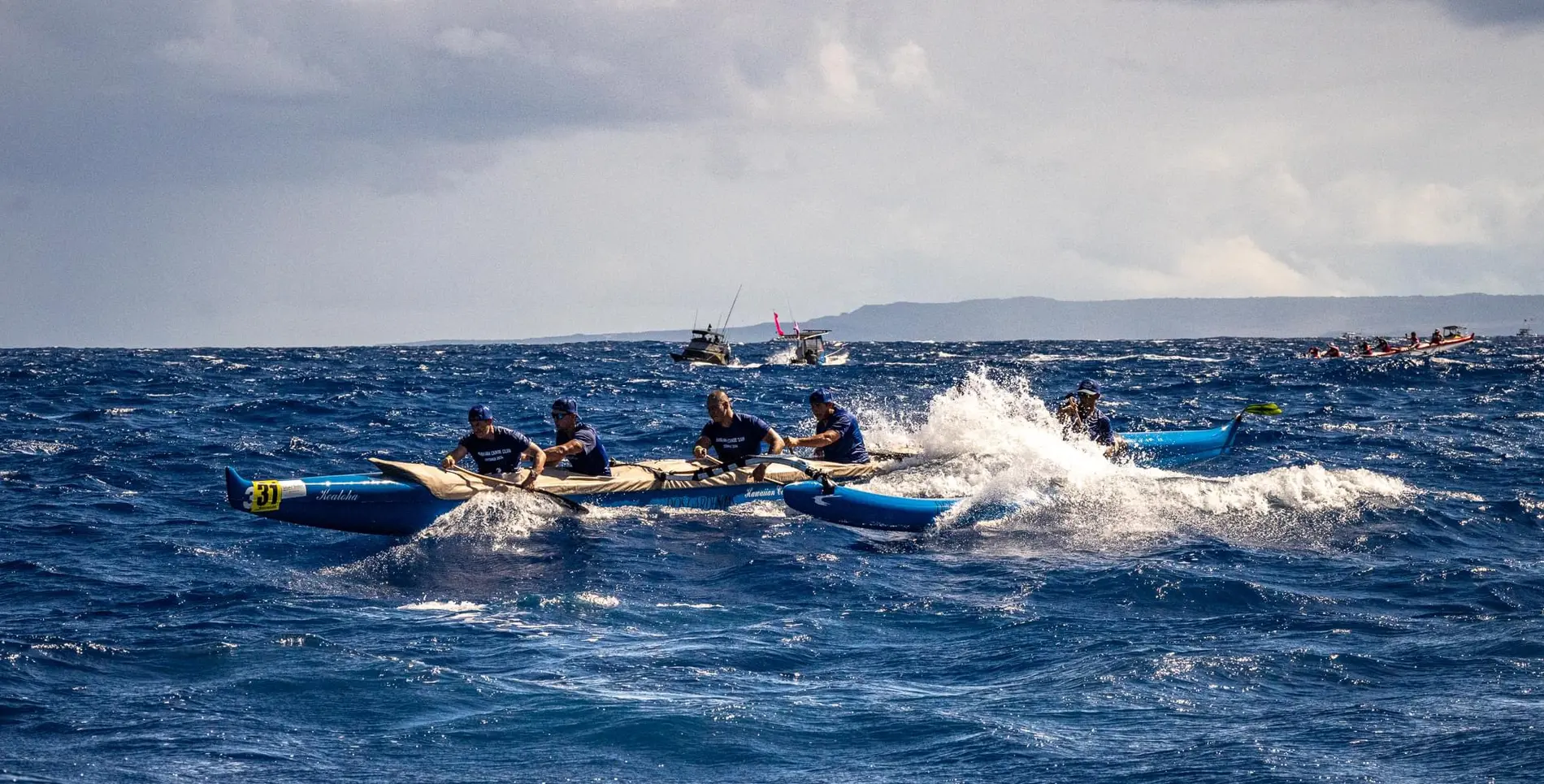
Most paddling shoulder pain comes from the rotator cuff and the tissues at the front and top of the shoulder taking more load than they are ready for. Very often the shoulder is doing extra work because the upper back, shoulder blade, trunk, or hips are not doing their share of the stroke.
The good news is that this is very fixable. In many cases you can keep paddling in some form while the shoulder settles down, as long as you change the right things.
Whether you paddle outrigger, stand-up, prone, or surf, this guide covers why shoulders get sore, the signs that mean it is time to get it checked, and how physical therapy helps you get back on the water without the pain coming back every season.
Why paddlers on Maui are prone to shoulder pain.
Paddling is a repetitive reaching and pulling motion. Every stroke asks the shoulder to reach forward, catch the water, and pull your body and boat past the blade. Do that for a full practice, a long downwind run, or a channel race, and the total load adds up fast.
On Maui, the water is open all year. There is no real off-season to let tissues recover, and many people stack paddling on top of surfing, swimming, the gym, and a physical job. Add ocean conditions that change from day to day, and it is easy to see how a shoulder can get irritated.
Shoulder pain in paddlers usually builds slowly. It starts as a little ache after practice, then shows up during the session, then starts to bother you at night or when you reach for something on a high shelf. That slow build is actually helpful, because it means there is time to fix it before it becomes a bigger problem.
The most common causes of paddling shoulder pain.
1. Rotator cuff irritation
The rotator cuff is a group of four small muscles that keep the ball of the shoulder centered in the socket. Paddling works them on every stroke. When the load climbs faster than the tendons can adapt, they get irritated and sore. This is one of the most common things we see in paddlers.
2. Pinching at the top of the shoulder
Many paddlers feel a pinch at the top or front of the shoulder when they reach forward or lift the arm overhead. This is often described as impingement. It usually is not a structural problem you are stuck with. It is more often a sign that the shoulder blade and upper back are not moving well enough to give the shoulder room to work.
3. Poor shoulder blade control
Your shoulder blade is the base the arm works from. If the muscles that control it are weak or tired, the base gets unstable and the rotator cuff has to work harder to make up for it. Late in a long session, this is often when the stroke falls apart and the shoulder starts to ache.
4. A stiff upper back
A good stroke uses rotation through the upper back. If your mid back is stiff from desk work, driving, or years of rounding forward, the shoulder ends up reaching further to make up the difference. Over time, that extra reach adds up.
5. Arm-only paddling
Strong paddlers use their legs, hips, and trunk to drive the stroke. When the stroke becomes mostly arm, the shoulder carries a load it was never meant to carry alone. Over-reaching at the catch and pulling the blade too far past the hip are two common habits that add stress too.
6. Doing too much, too soon
Load spikes are one of the biggest drivers of overuse pain. Common examples include coming back after time off, ramping up for race season, adding extra sessions in a week, or switching between stand-up and outrigger. The shoulder can adapt to a lot of work. It just needs that work added gradually.
Signs it is time to get your shoulder checked.
A little soreness the day after a hard session is normal. These signs are not, and they are worth getting looked at:
- Pain that wakes you up at night or stops you from sleeping on that side
- Pain when you reach overhead, reach behind your back, or put on a shirt
- Weakness when you lift or rotate the arm
- Clicking or catching in the shoulder that comes with pain
- Pain that keeps coming back every time you increase your paddling
- Numbness, tingling, or pain that travels down the arm, which can point to the neck
- Shoulder pain that has not improved after a couple of weeks of easing off
If you hurt your shoulder suddenly, for example from a fall, a wipeout, or getting caught by a wave, and now cannot lift your arm, or you have major swelling, a visible change in the shape of the shoulder, or pain with fever, get seen by a doctor promptly.
How physical therapy helps paddlers.
Rest alone often calms the pain down, but it rarely fixes why the shoulder got irritated in the first place. That is why the pain tends to come back as soon as training picks up again. A good physical therapy plan works through these steps.
1. A full evaluation, not just the shoulder
We look at your neck, upper back, shoulder blade, rotator cuff strength, hips, and trunk, and we talk through your paddling: what you paddle, how often, how far, and when the pain shows up. At Island PT, the first evaluation runs about 90 to 120 minutes. That time lets us find the real driver instead of guessing.
2. Calm it down without losing your fitness
Most paddlers do not need to stop completely. The goal is to find the amount of paddling your shoulder can handle right now. That might mean shorter sessions, easier pieces, switching sides more often, or swapping a few sessions for other cardio for a short time. Hands-on manual therapy and simple movement work can also help settle things down.
3. Rebuild the shoulder for real paddling loads
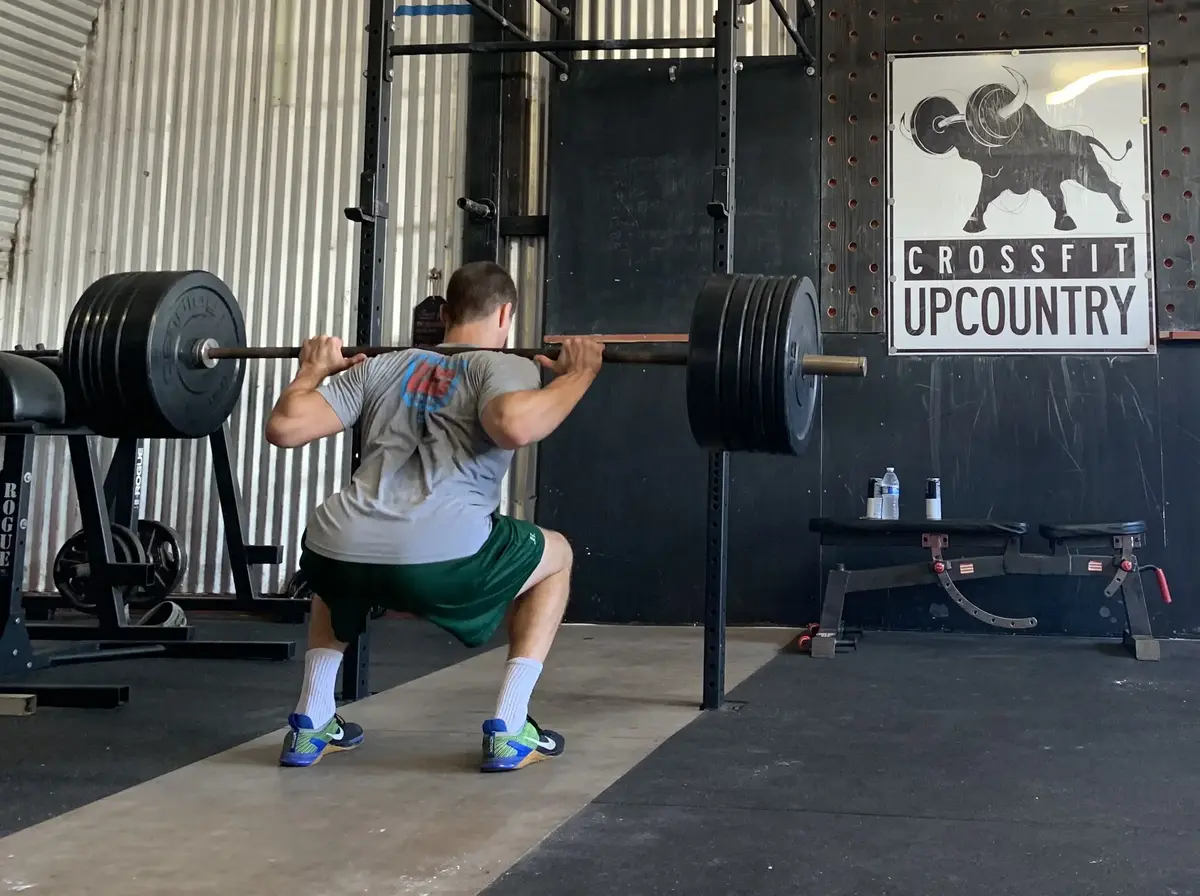
Once the pain is under control, we build up strength in the rotator cuff and the muscles that control the shoulder blade, and we restore motion through the upper back. Exercises progress step by step until the shoulder can handle more than a hard day on the water asks of it. This is the heart of our strength-based therapy approach.
4. Get the whole body into the stroke
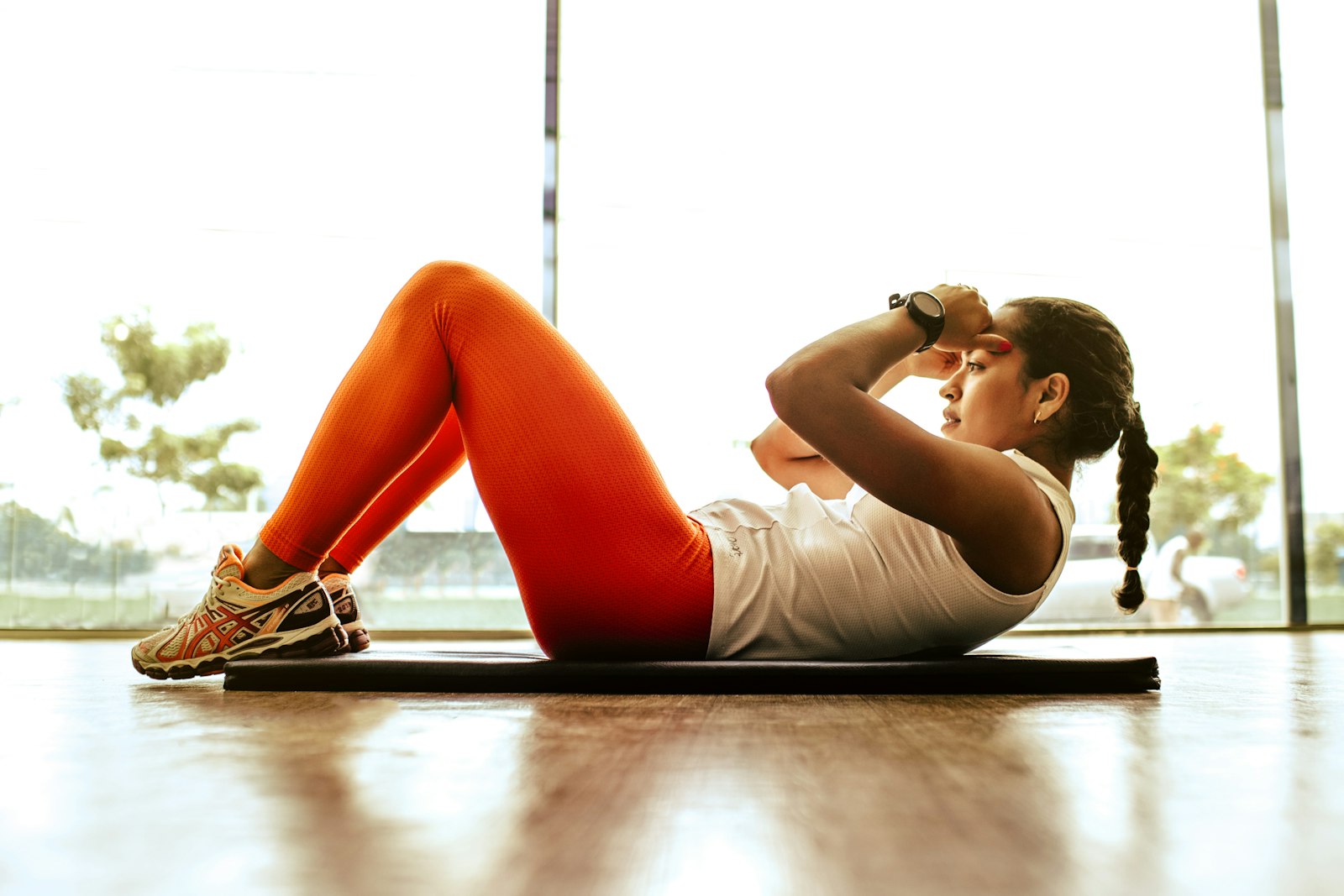
We look at how your trunk, hips, and legs contribute to the stroke and build strength and control there too. When the big muscles drive the boat, the shoulder does less. This also matters for your back. Many paddlers who deal with shoulder pain also deal with a sore low back, which we cover in our guide to low back pain.
5. A clear plan back to full training
The last step is a gradual return to full sessions, long distance, and racing. You leave with a plan for how to build up, what to watch for, and what to keep doing so the pain does not come back next season.
Simple habits that protect a paddler’s shoulder.
- Warm up on land for a few minutes before you get on the water, including arm circles and upper back rotation.
- Build distance and intensity gradually, especially before race season.
- Switch sides regularly so one shoulder is not doing all the work.
- Rotate from your upper back and hips instead of reaching with the arm alone.
- Keep strength training in your week, even when you are paddling a lot.
- Do not paddle through sharp pain. Ease off and adjust the session instead.
- Pay attention to sleep and recovery after long or rough sessions.
A sore shoulder is a signal, not a sentence. Find the cause and you can keep paddling for years.
Physical therapy for paddlers in Kīhei and across Maui.
Island PT is a one-to-one, in-home physical therapy practice based in Kīhei. Teddy brings the equipment to you, so your sessions can fit around your training: early before a paddle, midday between meetings, or after the beach. Learn more about how mobile physical therapy works, or see our page on physical therapy in Kīhei.
Teddy is a Doctor of Physical Therapy and Board-Certified Orthopaedic Clinical Specialist who has worked with everyone from people managing chronic pain at home to Olympic athletes, professional surfers, world-champion windsurfers, and paddlers. You can read more about Teddy and Island PT here.
Most of our patients work through a focused plan of around eight visits over six to eight weeks. We are a cash-pay practice, which is what lets every session stay one-to-one. Here is why we chose cash-pay and how HSA, FSA, and out-of-network reimbursement work.
Frequently asked questions.
Can I keep paddling with shoulder pain?
Often, yes, but with changes. Mild soreness that settles quickly may only need shorter or easier sessions. Sharp pain during the stroke, pain at night, or weakness are signs to ease off and get the shoulder checked before it gets worse.
How long does paddling shoulder pain take to get better?
It depends on what is driving the pain, how long you have had it, and how much you are paddling. At Island PT, a typical treatment plan is around eight visits over six to eight weeks, and we will tell you up front what your plan looks like.
Do I need an MRI or a doctor’s referral first?
In Hawaiʻi, physical therapy is direct-access, so you do not need a doctor’s referral to see us. Most shoulder pain can be assessed with a thorough exam. If anything in your evaluation suggests you need imaging or a doctor’s visit, we will tell you.
Do you only treat outrigger paddlers?
No. We help stand-up paddlers, prone paddlers, surfers, swimmers, and anyone with shoulder pain from staying active on Maui. The process is the same: find the root cause, then build you back stronger.
Do you come to me?
Yes. Island PT is a mobile practice. We come to your home anywhere from Kīhei to Upcountry, Monday to Friday, 8 AM to 6 PM.
This article is general education, not medical advice or a diagnosis. If your shoulder pain is severe, came on suddenly after an injury, or comes with numbness, weakness, or fever, get seen by a medical provider promptly.
Teddy Zabel, DPT, OCS
Founder of Island PT in Kīhei, Maui. Doctor of Physical Therapy and Board-Certified Orthopaedic Clinical Specialist with more than ten years of practice, from people managing chronic back pain at home to Olympic athletes and world-champion watermen.
Let’s get you back on the water.
We come to you with in-home physical therapy, anywhere from Kīhei to Upcountry. The discovery call is free, and if we are not the right fit we will tell you that honestly. Prefer to talk first? Call (808) 201-6922 or send us a message.